


How to Buy Property in Spain as a Foreigner: Legal Steps & Taxes 2026

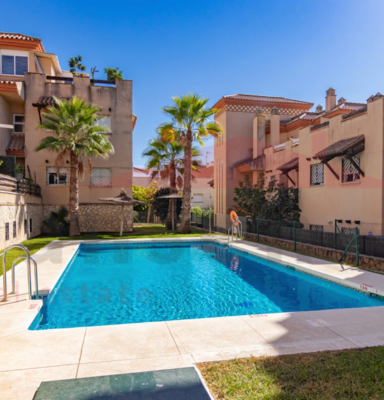
How to Buy a Property in Spain as a Foreigner: Legal Steps, Taxes & Pitfalls in 2026
Reading time: 14 minutes
For many discerning international buyers, the dream of owning a home in Spain is as vivid as the evening sky over Benalmádena’s promenade or the tranquil mornings in Viñuela’s rolling hills. Yet, turning this dream into reality requires navigating a legal and fiscal landscape that is as rich and nuanced as the culture itself. In 2026, Spain continues to welcome foreign property buyers with open arms, but the process is defined by specific legal steps, updated tax rules, and subtle local customs that can trip up even the most experienced investors. This guide distills our decades of expertise at Hansen Real Estate—anchored in the heart of Torre del Mar—into a practical, inspiring, and thoroughly up-to-date roadmap. Whether you’re seeking a contemporary apartment in Málaga or a sun-drenched villa in Sayalonga, you’ll find concrete advice, real-world examples, and a checklist to help you avoid common mistakes, ensuring your Spanish property journey is as enchanting as the lifestyle it unlocks.
Understanding the 2026 Spanish Property Market
Spain’s property market in 2026 is defined by diversity and dynamism. From the cosmopolitan avenues of Málaga—where grand boulevards host both Michelin-starred restaurants and contemporary art galleries—to the serene olive groves around Comares and Cútar, the country offers a canvas for every lifestyle. Demand from foreign buyers remains robust, especially in coastal enclaves like Torrox and Benalmádena, where international schools, modern healthcare, and excellent transport links (many just 30 minutes from Málaga’s international airport) draw buyers seeking both investment returns and quality of life.
Price trends in 2026 show continued resilience, particularly for properties with outdoor space and modern amenities. New developments in areas like Caleta de Vélez and Mijas are tailored to international tastes, blending Andalusian authenticity with smart home technology and energy-efficient design. However, competition can be intense, especially for properties in walkable locations—such as those 15 minutes from the bustling heart of Torre del Mar or within easy reach of Nerja’s celebrated Balcón de Europa.
For buyers, this means preparation is key: understanding market values, seasonal variations (for example, how summer festivals in Rincón de la Victoria drive short-term rental demand), and the subtle differences between urban and rural purchases.
Featured Apartments for Sale in Torre del Mar

Beachfront in Torre del Mar

Renovated 3-bedroom flat in the centre of Torre del Mar

Bright corner flat, just a few minutes from the beach and the centre of Torre del Mar

Exclusive homes just a few metres from the sea in Torre del Mar

New development in one of the best areas of Torre del Mar

Exclusive development of 8 homes 300 m from the beach in Benalmádena
Can Foreigners Buy Property in Spain in 2026?
Yes, foreign nationals can buy property in Spain with nearly the same rights as locals. There are no restrictions on property ownership for non-residents, whether you’re from within the EU or beyond. However, the legal and tax environment has evolved in 2026—partly in response to increased global scrutiny on money laundering and partly to ensure fiscal compliance from the growing number of overseas buyers in hotspots such as Marbella or Vélez-Málaga’s historic quarter.
The cornerstone of your purchase is obtaining a Spanish NIE (Número de Identidad de Extranjero): an identification number required for all property transactions. This must be secured before you sign a contract or transfer funds. In practice, many buyers arrange for a local lawyer or gestor to obtain the NIE on their behalf—saving precious time, especially during peak buying seasons.
Residency and Visa Considerations
Buying property in Spain as a foreigner does not automatically grant residency. However, if your investment exceeds €500,000, you may qualify for Spain’s Golden Visa, which provides residency rights and visa-free travel within the Schengen zone. In 2026, Golden Visa rules have become more regulated, emphasizing transparent funding sources and property valuation by certified professionals, especially in areas of high demand like Marbella’s Golden Mile or Fuengirola’s waterfront.
Step-by-Step Legal Process: Buying Property in Spain as a Foreigner
The legal process is meticulously structured but not without its regional nuances. Below is a detailed, experience-based walkthrough:
1. Research & Engaging Experts
Begin by exploring properties in your preferred locations. If you’re considering a penthouse with panoramic sea views in Torrox or a traditional townhouse near Sayalonga’s main plaza, work with a reputable local agent who knows both the market and the finer points of municipal regulations. At Hansen Real Estate, for example, we routinely guide clients through the intricacies of purchasing homes just steps from the Paseo Marítimo in Torre del Mar, where zoning laws affect building heights and terrace spaces.
2. Secure Your NIE and Open a Spanish Bank Account
The NIE is your legal anchor. Applying in advance—via the Spanish consulate or through a lawyer in Spain—can prevent delays. Simultaneously, open a Spanish bank account to facilitate payments, manage utility contracts, and streamline the transfer of purchase funds.
3. Legal Due Diligence
Before making any offer, your lawyer should conduct a Nota Simple check: confirming property ownership, outstanding debts, and legal status. In Málaga, for instance, some historical properties carry old liens or unresolved inheritance claims. Thorough title searches are essential, particularly for rural homes near Viñuela or Cútar, where boundaries may be less clearly defined than in new developments.
4. Reservation Contract (Contrato de Reserva)
Once you’ve found your ideal home—perhaps a villa with a view of the Mediterranean near Benalmádena or a modern apartment 10 minutes’ walk from the marina in Caleta de Vélez—you’ll usually sign a reservation contract and pay a small deposit (typically €3,000–€6,000) to take the property off the market while legal checks proceed.
5. Private Purchase Contract (Contrato de Arras)
After successful due diligence, you’ll sign the private purchase contract and pay a larger deposit (often 10% of the purchase price). This contract sets the agreed price, completion date, and the responsibilities of both buyer and seller. Ensure the contract specifies all fixtures, parking spaces, and storage rooms to avoid later disputes—a common oversight in multi-unit complexes in Marbella or Fuengirola.
6. Completion at the Notary
Completion takes place at a notary’s office, where both parties sign the Escritura de Compraventa (deed of sale). Funds are transferred (often via bank cheque), taxes and fees are paid, and you receive the keys. Registration with the provincial Land Registry finalizes your ownership. In Málaga province, this process is typically completed within 2–3 weeks, but rural properties in Comares or Sayalonga may require additional documentation or technical certificates—factor this into your timeline.
Looking for a step-by-step checklist for your 2026 purchase? Explore our Essential Checklist for Buying New Build Properties on the Costa del Sol in 2026 for practical guidance.
Updated Property Taxes in Spain 2026: What to Expect
Understanding property taxes in Spain for 2026 is crucial to budgeting and long-term planning. The main taxes and costs include:
Transfer Tax (ITP) or VAT (IVA)
• For resale properties, you pay ITP (Impuesto de Transmisiones Patrimoniales). In Andalucía, including Mijas, Nerja, and Vélez-Málaga, the standard rate remains at 7% in 2026. However, for purchases above €1 million, a marginal higher rate may apply depending on local council updates—always check with your lawyer.
• For new build properties, VAT (IVA) is 10% plus a 1.2% stamp duty (AJD). This covers most new apartments in developments such as those near Baviera Golf in Caleta de Vélez or contemporary complexes in Fuengirola.
Notary and Registry Fees
Totaling approximately 1–1.5% of the purchase price, these fees are influenced by the value and type of property as well as the complexity of the legal title. High-value villas in Marbella, for example, may involve higher notary tariffs due to additional documentation.
Legal Fees
Expect to budget 1–1.5% for legal representation. This investment pays dividends in peace of mind, especially when navigating the urban planning nuances of cities like Málaga or dealing with rustic properties around Viñuela’s lake.
Ongoing Annual Taxes
• IBI (local property tax): Set by the municipality and typically ranging from €200–€2,000+ per year, depending on property size and location. A penthouse on Nerja’s promenade will command a higher IBI than a countryside home in Cútar.
• Non-Resident Income Tax: Even if you do not rent out your property, you must file a yearly return on the “imputed rental value.” For EU/EEA residents, the rate is 19%; for non-EU residents, it’s 24% in 2026.
• Other costs: Community fees (for apartments or gated communities), rubbish collection, and utilities. Properties in Benalmádena Pueblo often have well-managed communities with transparent annual budgets, while rural homes may have lower shared costs but higher private maintenance.
For a more in-depth look at ongoing living costs, explore our Cost of Living & Real Estate Guide for Torre del Mar and Costa del Sol 2026.
Real Examples from the Costa del Sol: Navigating Local Nuances
The real-world application of these rules is where local expertise becomes invaluable. For instance, a Danish client recently fell in love with a historic townhouse in the heart of Vélez-Málaga, just off the Plaza de las Carmelitas. The property, though charming, had an unresolved inheritance claim dating back several decades. Through careful negotiation with local lawyers and the seller’s family, we resolved the title, but the process added four weeks to the timeline—an important reminder that local documentation can be as layered as the city’s Moorish walls.
In contrast, a Dutch couple purchasing a new-build apartment in Torrox’s beachfront development benefited from streamlined digital contracts, a fixed 10% VAT, and a clear completion timetable. Their only surprise came from the community association’s detailed by-laws regarding short-term lets—a common feature in new complexes along the Costa del Sol, and one that can impact your rental income potential.
Such experiences underscore the importance of working with a specialist agency deeply embedded in the local landscape—someone who can recommend the right notary in Nerja or connect you with bilingual architects for a renovation in Sayalonga.
The Essential Checklist: Avoiding Common Pitfalls
Every year, buyers encounter avoidable setbacks. The most common pitfalls—and how to sidestep them—include:
1. Failing to Verify Legal Status
Never assume a property is free of debts or fully legalized. In rural areas such as Viñuela, some homes were built before stricter regulations, and may lack final occupation licenses. A comprehensive legal review—requesting the Cédula de Habitabilidad and verifying land registry data—prevents costly surprises.
2. Underestimating Additional Costs
Budget for taxes, legal fees, and post-purchase renovations, especially in properties with character (think of the classic Andalusian tiles in Comares townhouses, which often require specialist restoration). If the property is within a community, factor in monthly or quarterly fees—these can range from €60 to over €300 depending on amenities like pools and gardens.
3. Misunderstanding Tax Residency
If you spend more than 183 days per year in Spain, you may be considered a tax resident, with extensive worldwide reporting obligations. Seek advice early, particularly if you plan to split time between homes in Marbella and your country of origin.
4. Ignoring Local Building Norms
Renovating a beachfront villa in Benalmádena? Coastal protection laws may restrict extensions or the addition of pools within 100 meters of the shore. Always consult the local planning office and engage a licensed architect who understands the nuances of Andalusian building codes.
Are you considering a property with a pool, or perhaps a frontline beach home? Dive deeper into local requirements and lifestyle benefits with our Ultimate Guide to Buying a Property with Pool on Costa del Sol 2026.
FAQ: Buying Property in Spain as a Foreigner in 2026
Do I need to be present in Spain to buy property?
No, but it is highly recommended for viewing, final signing, and post-sale formalities. Many buyers grant power of attorney to their lawyer to handle completion if travel is impractical.
Can I get a mortgage as a non-resident?
Yes, Spanish banks offer mortgages up to 60–70% of the property value for non-residents, subject to robust income verification. Local lenders in Málaga or Marbella may have English-speaking advisors and can process applications within 4–8 weeks. For more detail, see our mortgage guide for 2026 buyers.
How long does the process take?
With all documents in order, straightforward purchases in developed areas (like a modern apartment in Fuengirola) can complete in 6–8 weeks. Properties with complex legal backgrounds, especially in older towns like Comares, may require several months.
Are there restrictions on foreign ownership near the coast?
Generally, no, but special permission is required for purchases near military zones or rural protected lands. This is rare in mainstream markets like Benalmádena or Vélez-Málaga, but always verify during due diligence.
Expert Advice & Next Steps
Spain’s property market in 2026 is as open and alluring as ever—but also more regulated, professionalized, and transparent. The best outcomes are achieved by combining local insight, legal rigor, and a deep appreciation for the region’s unique lifestyle. Whether you’re drawn to the cultural vibrancy of Málaga’s museums, the culinary innovation along Fuengirola’s Paseo Marítimo, or the peaceful charm of Algarrobo’s whitewashed streets, your path to property ownership is best walked with trusted local partners.
If you’re ready to begin your search, explore our curated selection of properties across Torre del Mar, Nerja, and beyond. For personalized advice, our expert team is always available for a conversation—whether you’re at the dreaming stage or ready to sign your first contract. Contact us today to begin your journey, and let us help you discover the fascinating possibilities of owning a home in Spain’s most captivating settings.
Ready to turn your Spanish dream into a reality? Get in touch with Hansen Real Estate for tailored guidance and access to the region’s most inspiring properties.