


How to Move to Spain: Step-by-Step Relocation Guide 2026

Reading time: 12 minutes
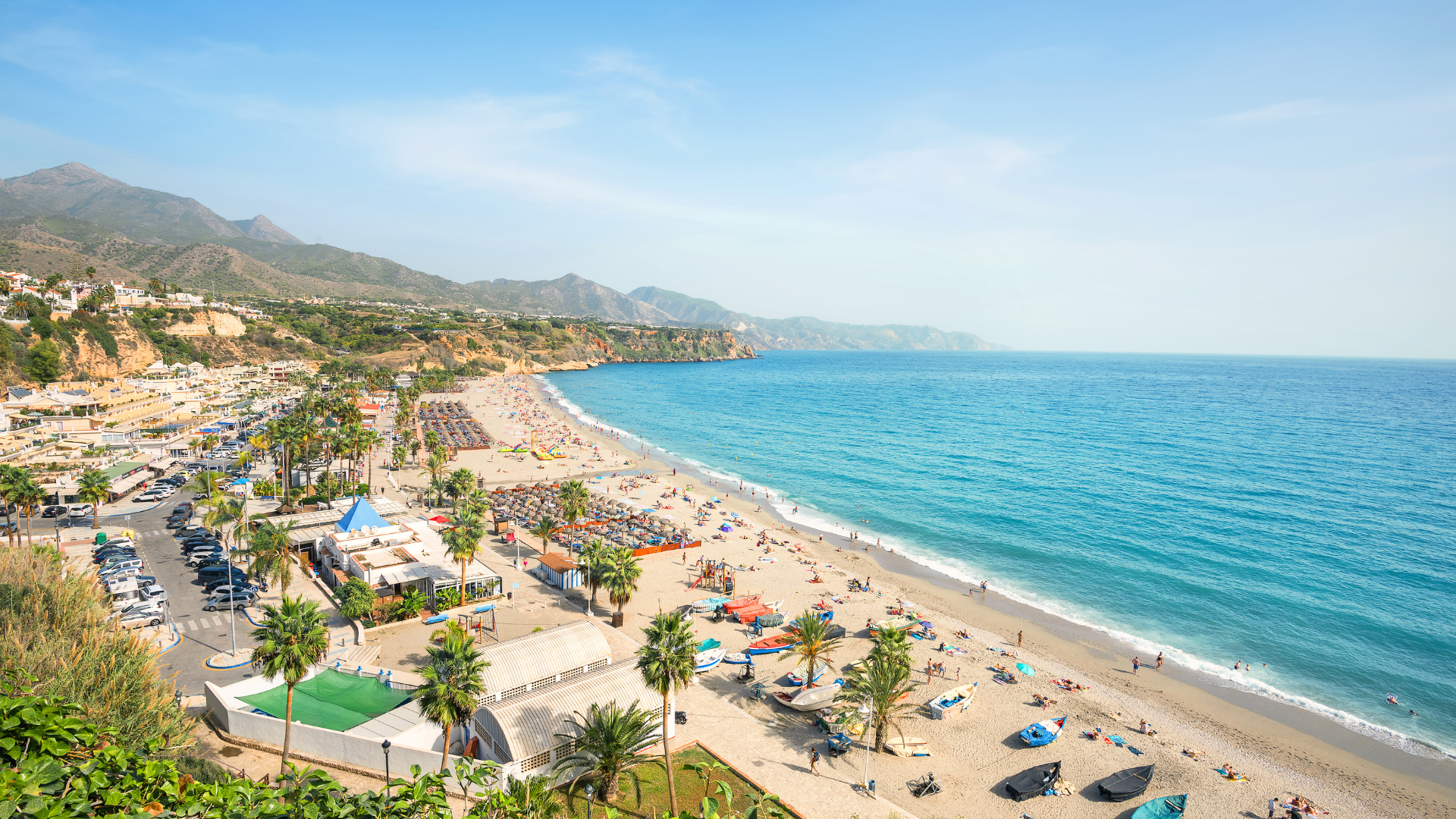
Dreaming of a new life on the sun-drenched shores of Spain? For many culture-loving property buyers, the allure of living in Málaga’s historic quarters, waking up to the gentle Mediterranean breeze in Torrox, or enjoying the cosmopolitan atmosphere of Marbella is irresistible. Yet, the prospect of relocation to Spain can feel daunting—especially when you want not just to visit, but to settle in as a homeowner. This comprehensive, expert-crafted guide will lead you through each critical step, from understanding legal requirements and residency options to managing logistics and embracing daily life on the Costa del Sol and beyond. Whether your heart is set on the vibrant streets of Fuengirola or the tranquil hills of Viñuela, here’s your trusted roadmap to living in Spain as a property owner.
Why Move to Spain? A Lifestyle Investment
To move to Spain is to invest in a richer quality of life. The Costa del Sol, with its dynamic blend of tradition and modernity, offers more than just stunning views; it promises a daily rhythm shaped by world-class gastronomy, deep-rooted history, and a welcoming international community. Take Málaga, for example. The city’s cultural calendar is vibrant year-round, from the evocative Semana Santa processions to the contemporary exhibitions at the Centre Pompidou Málaga. Just a 30-minute drive east, the coastal town of Torre del Mar provides a more laid-back pace, renowned for its bustling seafood restaurants along Paseo Marítimo de Levante and easy access to the Axarquía’s rolling vineyards.
For families and retirees alike, towns such as Mijas and Rincón de la Victoria combine proximity to international schools, modern health care, and authentic Andalusian charm. Meanwhile, Marbella and Benalmádena cater to those seeking a cosmopolitan touch—think Michelin-starred dining, luxury marinas, and refined shopping districts. Whether your vision of living in Spain involves tranquil mornings in Sayalonga’s olive groves or evenings enjoying live music in Fuengirola’s Plaza de la Constitución, the region caters to every sensibility.
Legal Foundations: Residency, Visas, and the NIE
Before your relocation to Spain can truly begin, there are key legal steps to secure your status as a resident and property owner. The cornerstone is the NIE (Número de Identidad de Extranjero), your foreigner’s identification number. This is essential for buying property, opening a bank account, arranging utilities, and even contracting internet services. The NIE can be requested at a Spanish consulate in your home country or at a police station in Spain. The process typically takes 2-4 weeks, but timing may vary in high-demand areas like Málaga city.
Residency options depend on your nationality and intentions. EU/EEA citizens benefit from simplified registration, but still need to register with the local municipality (empadronamiento) and social security if planning to work. Non-EU buyers often pursue Spain’s Golden Visa—a residency permit for those investing €500,000 or more in real estate. This option is particularly popular among buyers seeking villas in Marbella or luxury apartments in Benalmádena, as it grants residency for themselves and close family members.
Other residency routes include the Non-Lucrative Visa (for retirees and those with passive income) and the Digital Nomad Visa, a recent innovation attracting remote professionals—especially in tech-forward hubs like Málaga. Each pathway has specific requirements regarding income, health insurance, and background checks. For a deep dive into property purchase legalities and visa requirements, explore our Complete Guide to Buying Property in Spain as a Foreigner (2026).
Choosing Your Spanish Home: From Nerja to Marbella
Spain’s southern coast is a tapestry of unique towns, each offering its own lifestyle and investment appeal. Selecting the right location is about more than sea views—it’s about matching your aspirations to the daily rhythm and amenities of your new home. For art lovers and urbanites, Málaga’s historic centre and the up-and-coming Soho district brim with theaters, galleries, and international cuisine. In contrast, Nerja enchants with its famous Balcón de Europa, a scenic promenade perched above dramatic cliffs, while its Wednesday market is a favourite among new residents seeking local produce and crafts.
Families with school-age children often gravitate towards Fuengirola for its international-school network, extensive sports facilities, and direct commuter trains to Málaga (just 35 minutes). Golf aficionados may prefer Caleta de Vélez, home to the renowned Baviera Golf course and just 20 minutes from the charming marina restaurants. Those craving a blend of mountain tranquillity and lake vistas find Viñuela’s modern villas and traditional country houses particularly captivating.
Given the region’s diversity, it’s wise to visit several areas—perhaps combine a morning coffee at a beachside café in Torrox with an afternoon stroll through the whitewashed streets of Comares. Distances are manageable: from Torre del Mar to Marbella is just over an hour by car, while Málaga airport connects you to most destinations in under 40 minutes. If you’re looking for newly built apartments or characterful townhouses, our property listings offer a curated selection across all these sought-after areas.
Featured Apartments for Sale on the Costa del Sol

Contemporary residential with Mediterranean essence and large terraces in Fuengirola

Renovated 3-bedroom flat in the centre of Torre del Mar

NEW CONSTRUCTION IN TORROX

Beachfront in Torre del Mar

Exclusive homes just a few metres from the sea in Torre del Mar

New build residential facing the Mediterranean Sea
The Property Purchase Process: Step by Step
Buying property as part of your move to Spain is both an exciting opportunity and a process requiring careful navigation. The journey begins with defining your budget and preferred property type—be it a villa in Rincón de la Victoria, an apartment near Málaga’s Plaza de la Merced, or a contemporary townhouse in Mijas. Once you’ve identified your dream home, the next step is to make a formal offer and place a reservation deposit (typically €3,000-€6,000 for most homes).
Your chosen solicitor—preferably one with local expertise—will then undertake due diligence, verifying ownership, outstanding debts, and all municipal permissions. This is especially relevant in areas with complex zoning, such as the hillside developments near Sayalonga or the new-build zones around Vélez-Málaga. After contracts are signed and a 10% deposit is paid, the sale usually completes at a notary’s office, with the balance paid and the property registered in your name. For guidance on mortgages, exchange rates, and legal representation, our When Buying page details the process and support available to our clients.
It’s worth noting that buyers in Spain are responsible for certain taxes and fees, including the property transfer tax (ITP) for resale homes or VAT (IVA) and stamp duty (AJD) for new builds. These vary by property value and location—expect 8-10% on the Costa del Sol as a general guideline.
Planning Your Move: Logistics and Practicalities
Once your purchase is underway, it’s time to orchestrate the practicalities of relocation. Many buyers choose to coordinate their move to coincide with key dates—such as the start of the school year in Fuengirola or the quieter late autumn period, when tourist traffic eases along the A-7 coastal highway. Professional moving companies experienced with international relocations can handle everything from packing in your home country to customs clearance and furniture assembly in Marbella or Nerja.
Upon arrival, your immediate priorities include arranging utility transfers, internet installation, and—if applicable—registering children at local or international schools. In towns like Torre del Mar, multilingual public services and English-speaking clinics ease the transition, while Málaga’s international airport (just 15 minutes from Benalmádena) offers year-round flights to most European capitals, making return visits straightforward.
Subtle but important tips: bring certified copies of key documents (birth, marriage, academic records), as these may be requested for empadronamiento or school registration. For those settling in quieter inland villages like Cútar or Comares, consider a car for greater flexibility, as bus services are less frequent outside main towns.
Settling In: Daily Life, Integration, and Insider Tips
Adapting to life in Spain is an enriching process, woven with opportunities to build new routines and connections. Many newcomers start by joining local associations—whether it’s a hiking group exploring trails above Viñuela Lake or a language exchange at a café in Rincón de la Victoria. Seasonal events offer a window into Andalusian culture: from the Feria de Agosto in Málaga, a dazzling week of music and dance, to the more intimate village fiestas in Sayalonga each spring.
Gastronomy is a daily delight. Whether sampling espetos (sardines grilled on open fires) in Caleta de Vélez or enjoying market-fresh produce in Algarrobo, food fosters community. Health care is another pillar of Spanish life, with both public and private clinics available—many new residents opt for private health insurance to ensure English-speaking specialists and reduced waiting times, particularly in Marbella and Fuengirola.
Integration is accelerated by learning the language, even at a conversational level. Many town halls, such as those in Nerja and Vélez-Málaga, offer subsidized Spanish courses for newcomers. Don’t hesitate to ask your neighbours for recommendations—whether it’s the best local panadería for warm morning bread or advice on navigating the weekly markets.
Understanding Costs: Taxes, Fees, and Ongoing Expenses
Financial planning is crucial for a smooth relocation to Spain. Beyond the purchase price, expect initial expenses such as property tax, notary fees, and legal costs. Ongoing costs include the annual IBI (municipal property tax), community fees if buying in a development (common in Benalmádena and Torrox), and utility bills. As of 2026, electricity and water prices continue to vary by provider and location, so it pays to compare options—especially in areas with newer infrastructure like Almuñécar.
For those financing their purchase, Spanish banks offer mortgages to foreigners, though conditions and rates may differ from your home country. Our in-depth guide on how to secure a Spanish mortgage as a foreigner in 2026 outlines the requirements and best practices. Don’t overlook the importance of currency exchange rates, especially for significant transfers—specialist brokers often offer better rates than standard banks.
It’s also worth budgeting for periodic maintenance: pool servicing for villas in Mijas, garden landscaping, or even annual repainting to protect against the coastal salt air. If you plan to rent out your home part-time, be aware of local licensing regulations, particularly in tourist-favoured towns like Nerja and Rincón de la Victoria.
Expert Advice and Local Insights
Relocating to Spain is as much about embracing a new way of life as it is about bricks and mortar. As seasoned advisors based in Torre del Mar and serving communities from Algarrobo to Marbella, we’ve witnessed the transformative power of local knowledge. For example, many buyers are surprised by the efficiency of the Málaga-Fuengirola commuter train, linking the city’s museums with the beaches of Los Boliches in under 45 minutes—a boon for both daily commuters and weekend explorers.
We’ve also learned the value of timing: moving in late September often means enjoying quieter beaches in Torrox and easier access to public offices, while spring arrivals get to experience the full bloom of Nerja’s botanical gardens. For those seeking authenticity, venturing inland to villages like Comares or Cútar reveals a Spain untouched by mass tourism, where neighbours quickly become friends and local traditions shape daily life.
Perhaps the most valuable advice is to stay open—each town, from the marina-side terraces of Caleta de Vélez to the hillside retreats of Sayalonga, offers its own rhythm and rewards. If you’d like personalized recommendations or help refining your search, our team is always available for a confidential consultation.
Next Steps: Your Relocation Journey Begins
Moving to Spain is an exhilarating journey—one that blends practical planning with the anticipation of a richer, more colourful life. Whether your ideal home is a sunlit apartment in Málaga, a family villa in Mijas, or a characterful townhouse in Nerja, the path is smoother with expert guidance and local insight. Begin by exploring our Complete Guide to Buying Property in Spain as a Foreigner (2026) for an in-depth look at legal and financial nuances.
Ready to take the next step? Contact our relocation specialists for a tailored consultation, or browse our handpicked selection of homes across the Costa del Sol. Your Spanish adventure awaits—let us help you write the next chapter in Málaga, Torre del Mar, or wherever your heart leads you.